
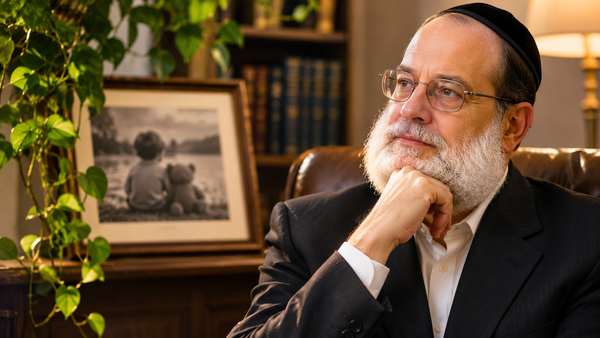
Some of the patterns that shape our closest relationships were set long before we had words for them. Healing attachment wounds is slow, tender work, because these wounds take root in the earliest bonds of our lives — the moments when we first learned whether it was safe to need someone, to be seen, to reach out and be met. If you notice yourself bracing when people get close, pulling away when part of you longs for connection, or quietly believing you are too much or not enough, you are not broken. You are carrying something old that your body never had the chance to set down.
What Attachment Wounds Really Are
An attachment wound is what lingers when a child’s need for safety, comfort, or attunement went unmet — often through no one’s fault at all. A parent stretched thin by work or worry, a loss in the family, an illness, a home where strong feelings had nowhere to go. The child adapts in the only ways available: learning to shrink their needs, to stay watchful, to become very good or very quiet. Those adaptations were wise and protective back then. The hard part is that the nervous system keeps running them long after the original moment has passed, so a grown man can feel a child’s fear of being left inside a relationship that is actually safe.
How Healing Attachment Wounds Begins in the Body
Because these wounds form before language, talking about them can only reach so far. We can understand our history and still feel the same tightening in our chest when someone we love goes quiet. This is why I lean on somatic work rather than insight alone. When the body learns, slowly and in small doses, that closeness does not have to mean danger, something begins to loosen. Gentle breathwork, grounding, and the steadying presence of another regulated person all help widen what the body can hold without shutting down or bracing. If this feels familiar, you may find it helpful to read more about nervous system regulation and why healing often begins beneath our words.
How These Wounds Show Up in Everyday Life
Attachment wounds rarely announce themselves. They show up as a hard time trusting, as needing a great deal of reassurance or refusing to need any at all. They can look like keeping people at arm’s length, over-functioning so you are never a burden, or feeling flooded by small moments of disconnection. In marriage, in friendship, and in the way we raise our children, these patterns tend to repeat until they are gently met. Naming them is not about blame. It is the first soft step toward choosing something different — and offering the next generation a steadier place to land.
Healing does not mean erasing your history or forcing yourself to trust before you are ready. It means helping your body discover, one safe experience at a time, that connection can be different now. That work is patient and kind, and you do not have to do it alone. If you would like to explore this together, you can learn more about how I work or reach out to connect.
This article is for educational purposes and is not a substitute for professional medical or mental health care.
Find Your Way Back to Calm
An 8-week nervous-system and somatic group coaching experience with live guidance, breathwork, and practical body-based tools in a small, supportive group. The next cohort starts December 2026 and is now enrolling.
Explore the program →